Seagrass is known as the only flowering plant species that can survive and reproduce in saltwater. There are over 70 seagrass species worldwide, and 5 have been recorded in Hong Kong in the past decade. While making up approximately only 0.2% of the seafloor, seagrasses play a crucial role in sustaining marine fishery resources and global climate resilience.
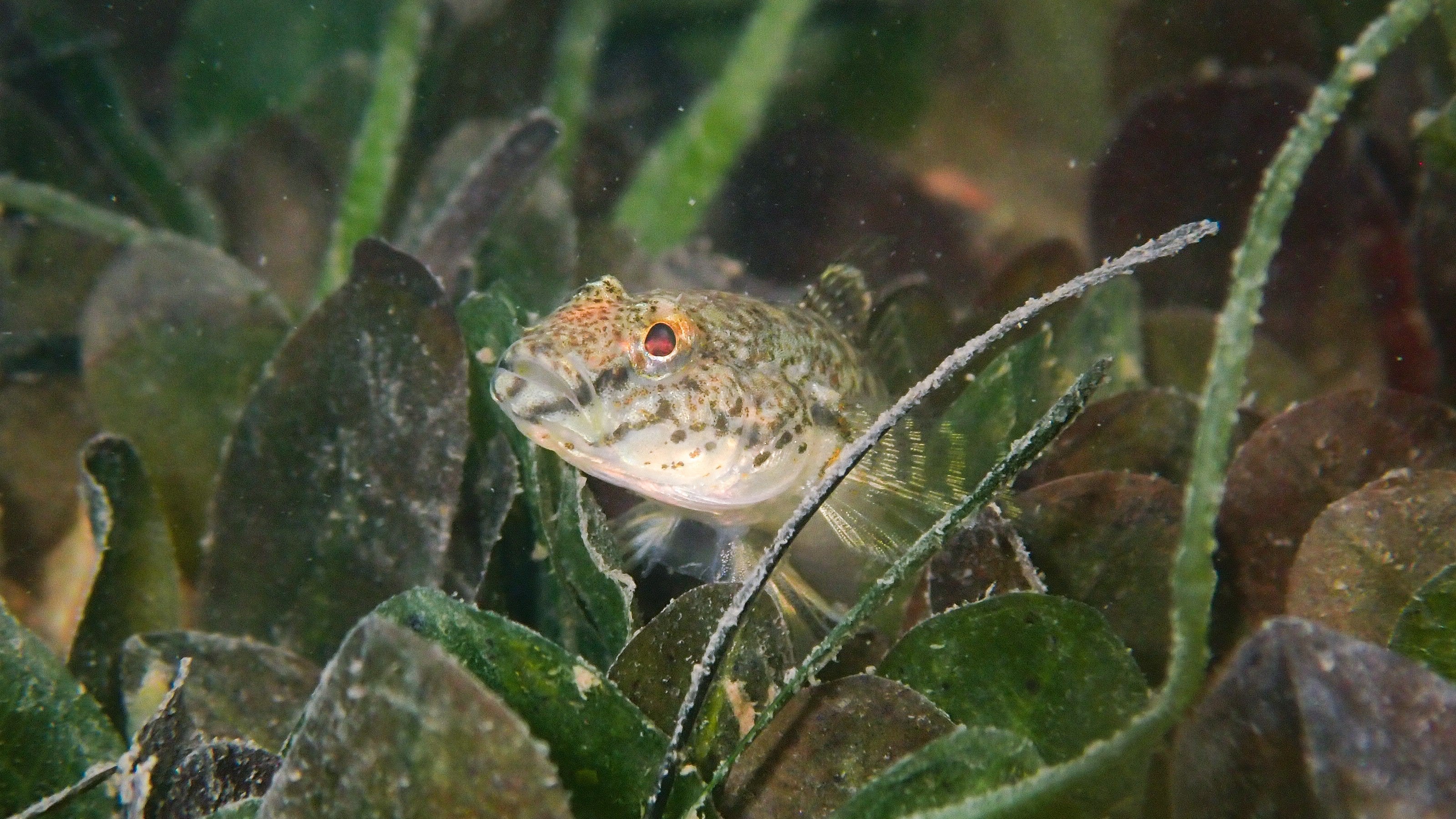
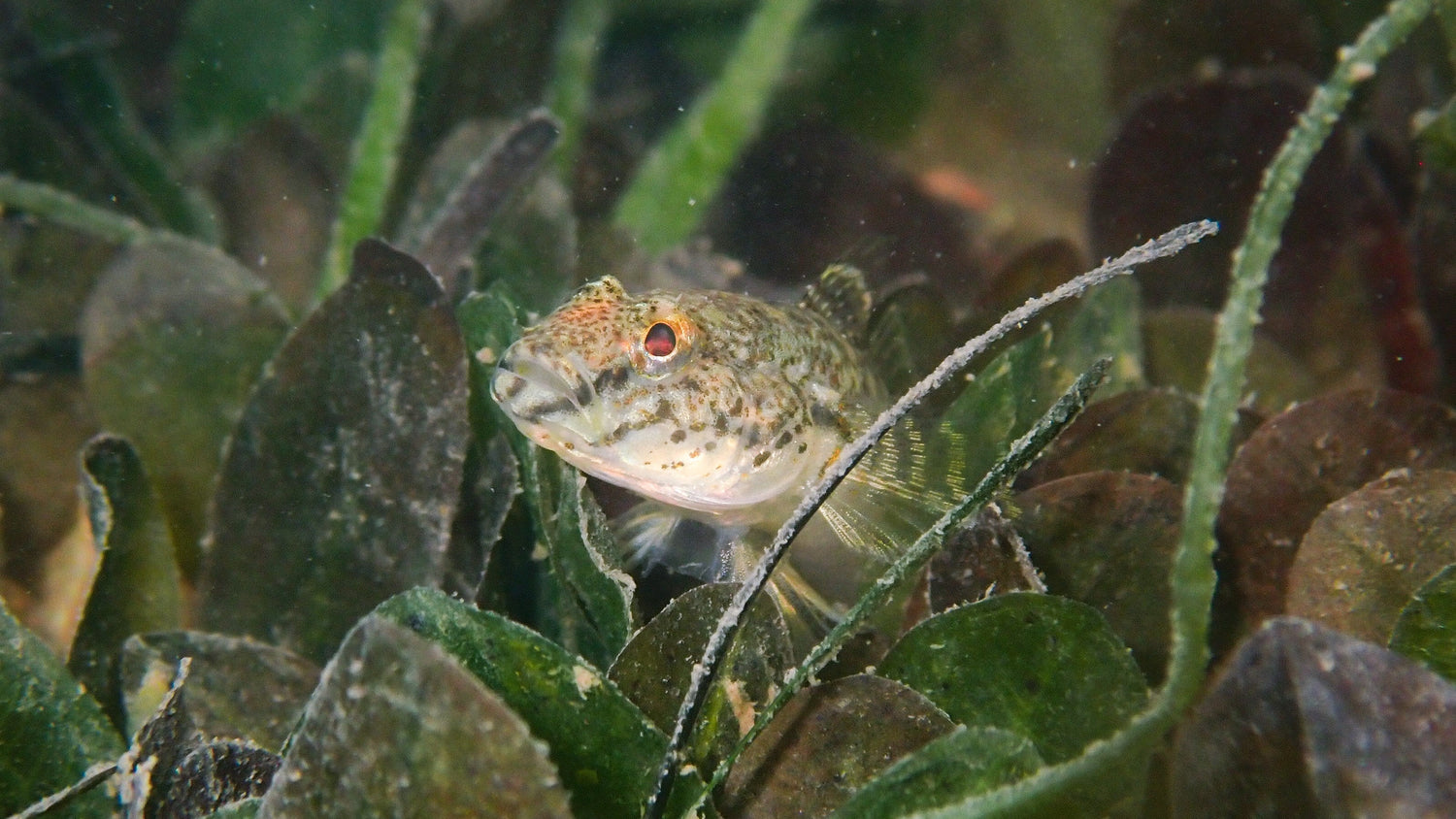
As seagrasses grow and spread on the seabed, they form extensive seagrass beds or meadows that offer shelters with their complex structures and provide nutrients for diverse marine life — from tiny shrimps and crabs to various kinds of fishes, and even marine mammals. In Hong Kong, seagrass beds occur in intertidal zones across our coastline and are recognized as an important habitat to nurture juveniles of many marine species, supporting local fisheries.
As photosynthetic organisms, these small plants absorb carbon dioxide and turn it into organic compounds in their body and sediment — a process known as "carbon sequestration". On an area basis, seagrass can lock away carbon at a much faster rate than other coastal habitats such as mangroves, making them powerful allies in maintaining atmospheric carbon dioxide balance and combating climate change.
However, pressures from coastal urbanization, human disturbances and water pollution are threatening seagrasses worldwide. Scientists suggest that global seagrass meadows have been declining at an average rate of 7% per year. In Hong Kong, it is estimated that seagrasses have disappeared from nearly half of the locations where they were historically recorded.
This decline is not inevitable. In recent years, scientists and conservationists around the world have been developing methods to restore this deteriorating habitat. With successful cases calling out, we see hope for our city's seagrass beds too. Working with Dr. Juan Diego Gaitán-Espitia's research team at The University of Hong Kong, WWF-Hong Kong is strategizing local seagrass bed restoration, particularly in Tolo Harbour and Channel — one of our marine conservation priority sites.
Since 2023, they have conducted field trials and laboratory experiments that have deepened their understanding of the characteristics and needs of local seagrass beds. These findings are helping them build a Hong Kong-specific roadmap to conserve and restore this precious habitat. Their vision is to implement an effective, long-term seagrass restoration programme across the Tolo Seascape and beyond.
From April 2026, support from funding is enabling WWF-Hong Kong to establish their first local seagrass nursery at Island House Conservation Studies Centre, and also contribute to expanding the restoration sites. This nursery and restoration expansion effort will serve as a critical pathway for cultivating healthy seagrass plants and supplying restoration sites, providing a more efficient and scalable way to restore local seagrass beds and secure their benefits for biodiversity, fisheries, and climate.
 
|