Reviving Hong Kong’s Oceans with Recycled Oyster Shells
The Nature Conservancy (TNC) in Hong Kong is taking an innovative approach to marine conservation through an initiative called "Save Our Shells" —an effort that recycles discarded shellfish shells into a force for ecological restoration. Often treated as trash, these shells are now given new life as the substrates for new, living reefs. These reefs not only offer vital habitats for juvenile fishes and other marine life, but also improve local water quality and help stabilize the coastline.
Rewilding the Ocean
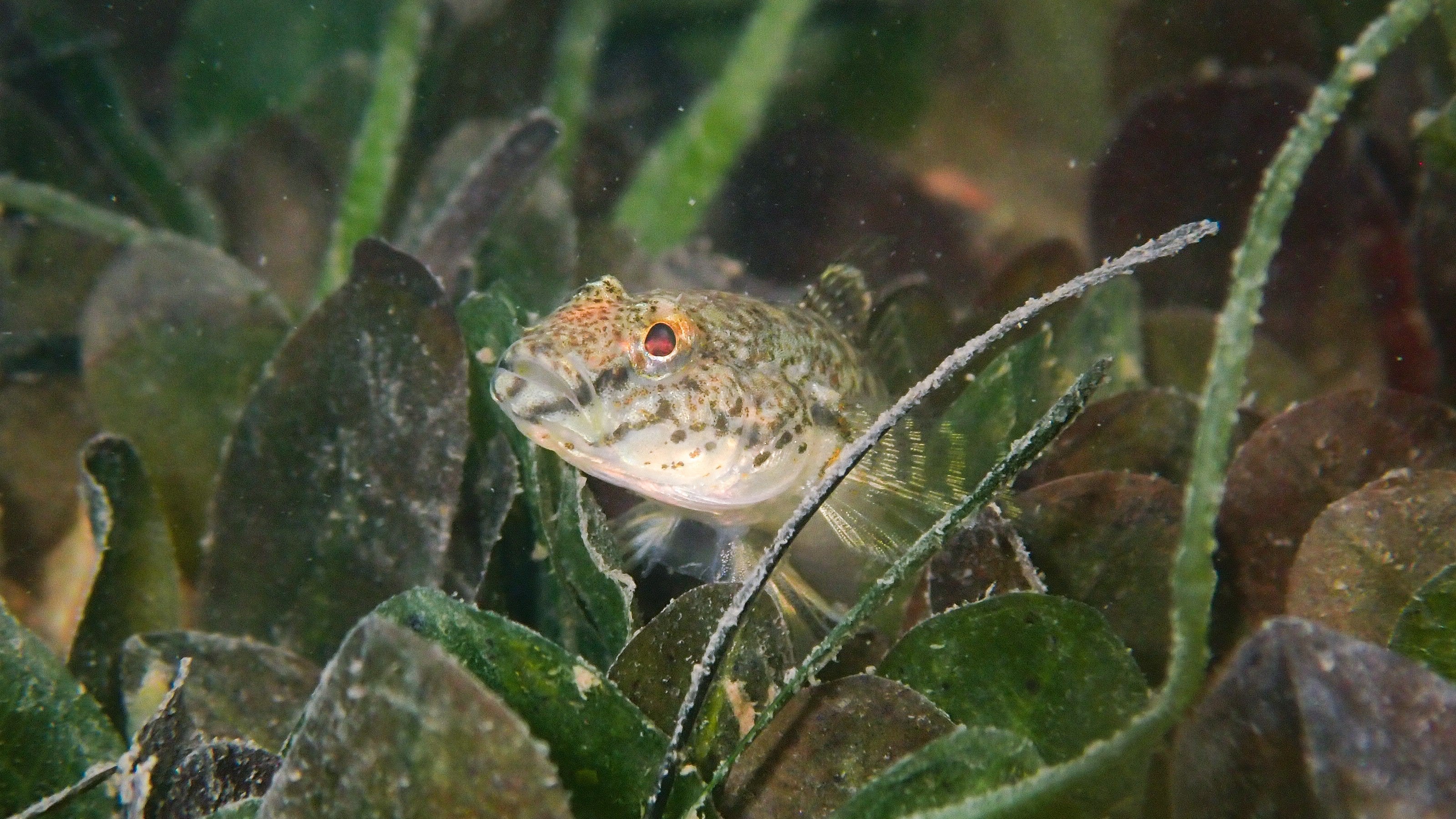
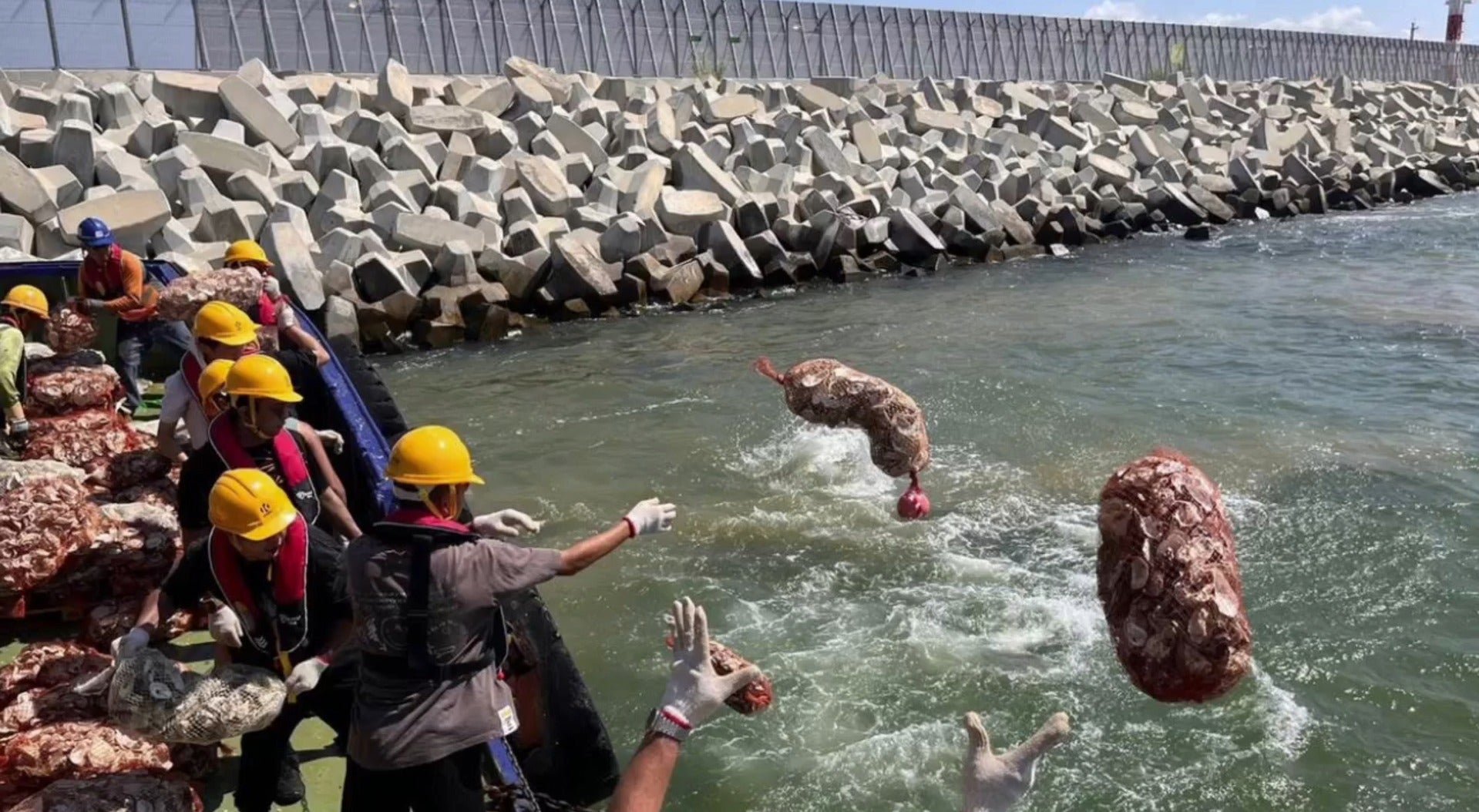
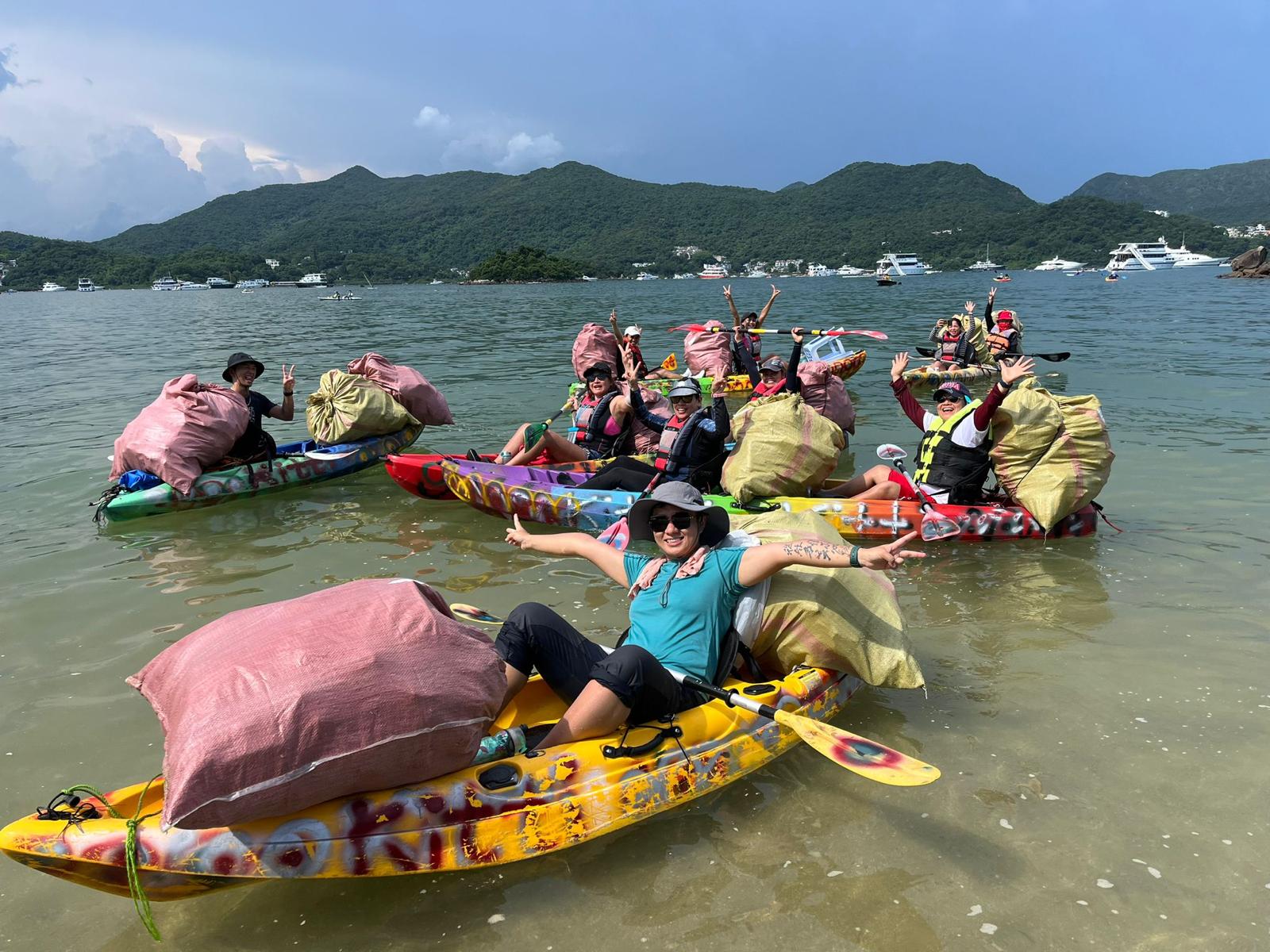
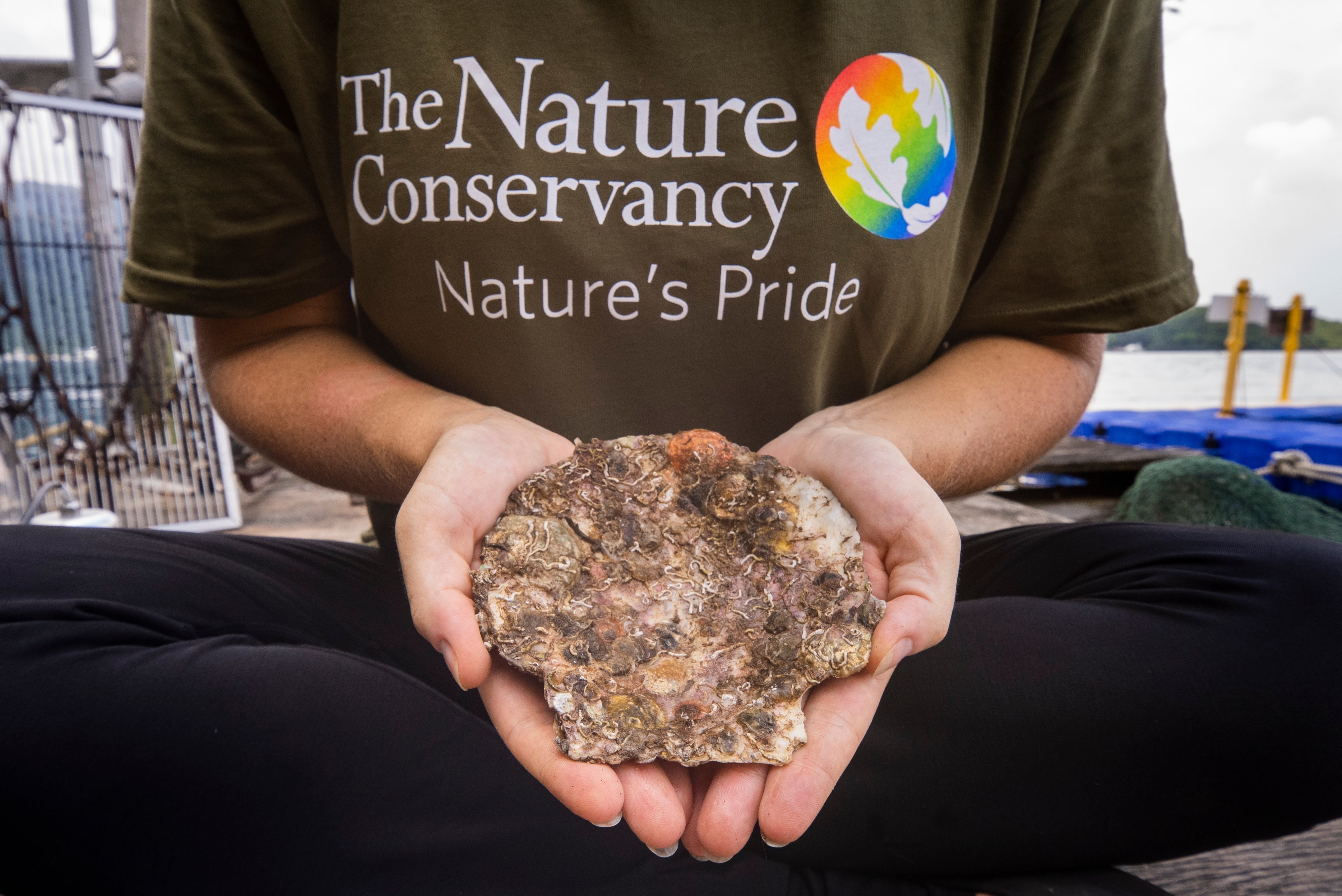
Working in partnership with hotels, restaurants and local fishing communities, TNC collects and disinfects discarded shells for use in reef restoration. Since the launch of “Save Our Shells,” over 90 tonnes of shells have been recovered. After disinfection, the shells are bagged and placed into the ocean to act as a ‘settlement substrate,’ providing a crucial foothold for juvenile oysters and other marine organisms. In June 2022, an artificial reef using recycled oyster shells, aquacultural debris and limestones was deployed near a licensed fish raft in Tolo Harbour. The first reef survey conducted two months after the deployment of an artificial reef onto the seabed proves that abundant and diverse life was found settling on the reef, and there are signs showing that it is also attracting commercial crab and fish species, including big snappers.
Restoring Oyster Reefs at Scale
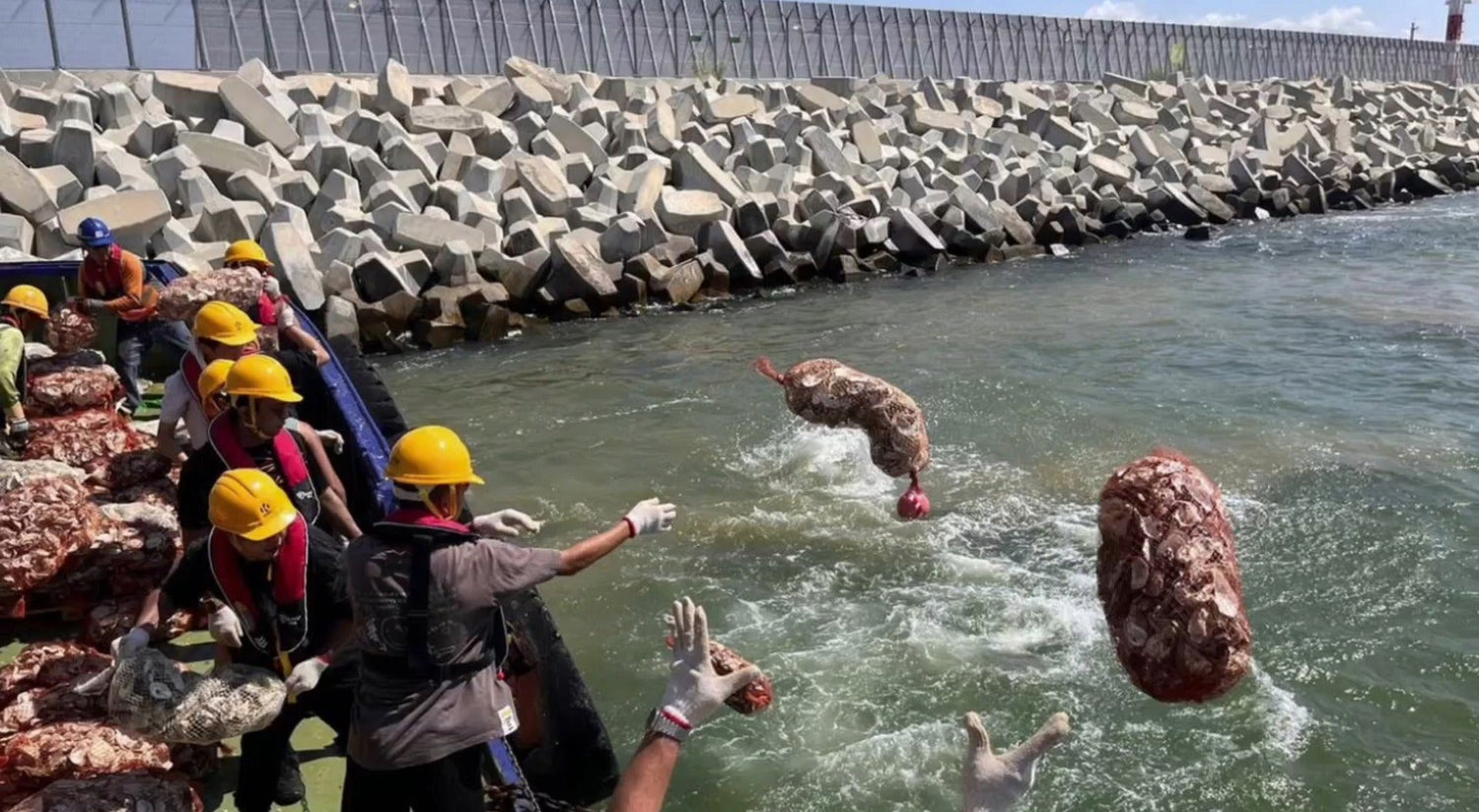
TNC is also leading cutting-edge efforts to restore Lantau Island’s long-lost oyster reefs. In 2021, a pilot project transformed part of the Hong Kong International Airport’s Three‑Runway System seawall into a thriving shellfish reef. Early monitoring showed a noticeable increase in biodiversity. Building on this success, a large-scale restoration was undertaken in North Lantau, converting 4,080 square meters of the new runway’s seawall into viable reef habitat. The project deployed 1,500 biodegradable shell bags and introduced over 500,000 live oysters—laying the groundwork for a renewed and resilient coastal ecosystem.
 
|